
Description
About the Book
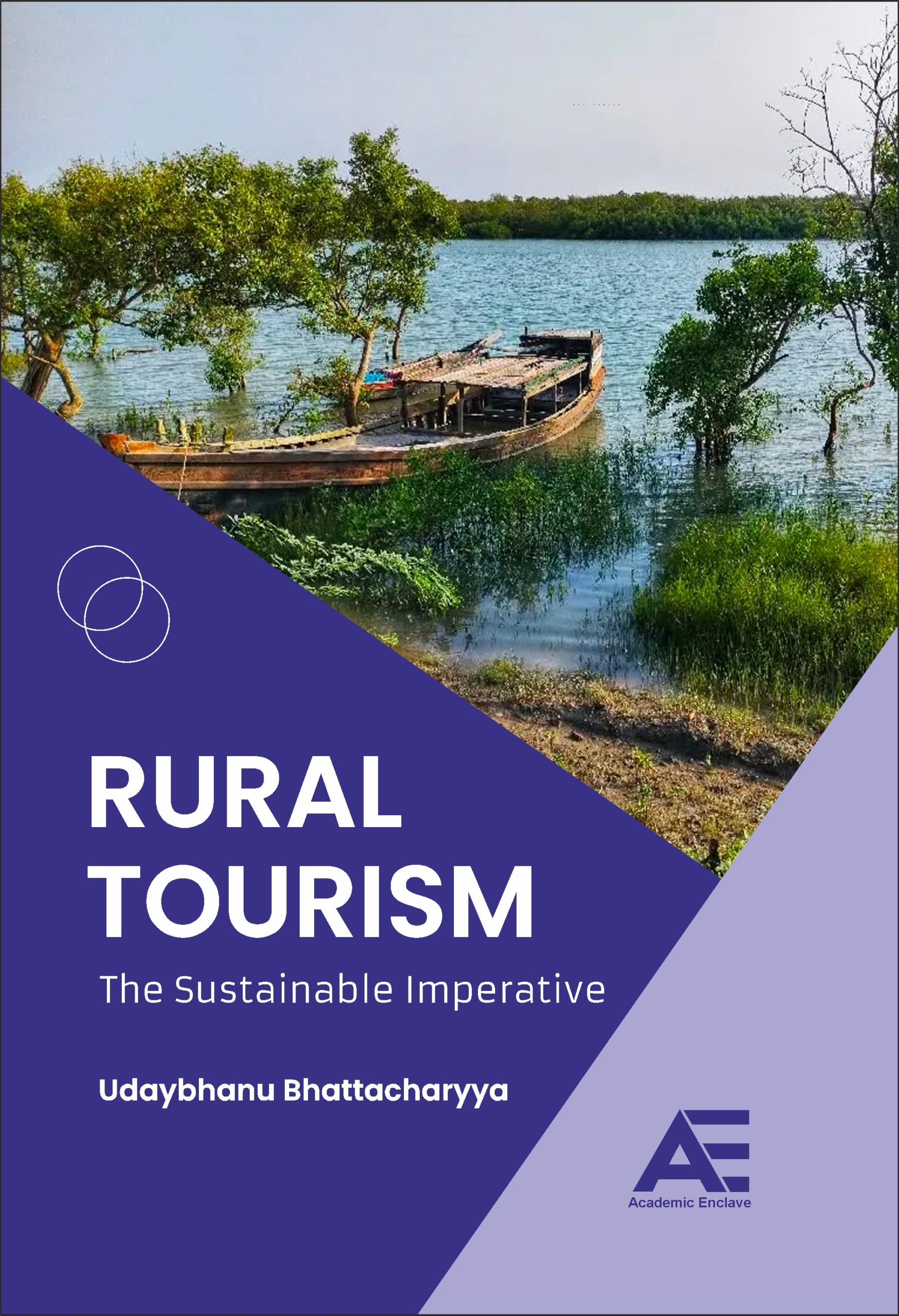
Rural Tourism: The Sustainable Imperative examines how rural tourism can drive sustainable development in India’s rural communities, specifically in West Bengal. The book emphasises tourism’s power to develop economic growth, environmental protection, and social well-being, highlighting the crucial role of Panchayati Raj Institutions (PRIs) and other stakeholders.
The book advocates a multi-faceted approach. Key strategies include: leveraging tourism as a development catalyst, prioritising inclusive growth and community empowerment through Community-Based Tourism (CBT), ensuring robust governance, establishing strong Community-Public-Private Partnership (CPPP) funding, stimulating infrastructure and market linkages, safeguarding local culture, and utilising analytical tools (like Tourist Satisfaction Index, adapted Travel and Tourism Development Index, and GIS) for informed policy. This pioneering study offers evidence-based insights, actionable policy recommendations, and a conceptual roadmap for MBA students, research scholars, policymakers, and development practitioners. It particularly addresses the often-overlooked governance dimension of rural tourism, proposing practical solutions for a more coordinated and inclusive sector. Ultimately, the book serves as a compelling call to action, advocating for a collaborative approach to rural tourism that empowers communities and creates diverse opportunities.
About the Author
With a career spanning nearly three decades, Professor (Dr) Udaybhanu Bhattacharyya is a highly experienced professional in Development Studies. He is currently the Dean of the Faculty of Arts and Commerce and Head of the Department of Rural Development Studies at the University of Kalyani. His distinguished academic career includes previous professorships at the National Institute of Rural Development & PR, Hyderabad and Netaji Subhas Open University, Kolkata. His substantial academic output includes five books and nearly 50 scholarly articles. He has also supervised PhD students and served as a consultant for organisations like DFID, GoWB and ADB. His research interests include Panchayati Raj, sustainable development, rural governance and tourism.
Contents
Acknowledgements
Preface
Abbreviations
List of Tables
List of Figures
Summary
1. Introduction1
Prolegomenon1
Models and Theoretical Frameworks5
Objectives of the Study9
Research Design9
The Study Plan18
2. Overview of Tourist Destinations in Rural West Bengal23
Introduction23
North Bengal24
Western Region of Bengal33
South Bengal46
3. Conceptual Framework of Sustainable Rural Tourism55
Introduction55
Essential Elements of Developing the Conceptual Framework 56
Designing a Concept Map for Sustainable Rural Tourism83
4. Empirical Study of Tourism in Cooch Behar District87
Tourist Destinations in Cooch Behar87
Tourist Survey Data Analysis90
Business Survey Data Analysis96
Role of Pris in the Development of Tourism99
5. Empirical Study of Tourism in Birbhum District107
Tourist Destinations in Birbhum107
Tourist Survey Data Analysis111
Business Survey Data Analysis118
Role of Pris in the Development of Tourism120
6. Empirical Study of Tourism in South 24 Parganas District125
Tourist Destinations in South 24 Parganas125
Tourist Survey Data Analysis129
Business Survey Data Analysis136
Role of Pris in the Development of Tourism140
7. Comparative Assessment Across Districts145
District Profiles: A Comparative Demographic and
Socio-Economic Analysis146
Tourist Survey Data Analysis148
Business Survey Data Analysis157
Role of Pris in the Development of Tourism166
8. Summary and Conclusions173
Conspectus173
Key Achievements of the Study177
Evaluation of Rural Tourism for Strategic Enhancement180
Implications of Further Research186
References191
Annex: A – District Tourism: A Photographic Journey205
Annex: B.1 – Questionnaire for Tourists229
Annex: B.2 – Questionnaire for Local Businessmen234
Annex: C – Opinionnaire of Government Officials237
Appendix: A – India’s Tourism Performance239
Glossary241
Index257


Reviews
There are no reviews yet.