
Description
About the Book
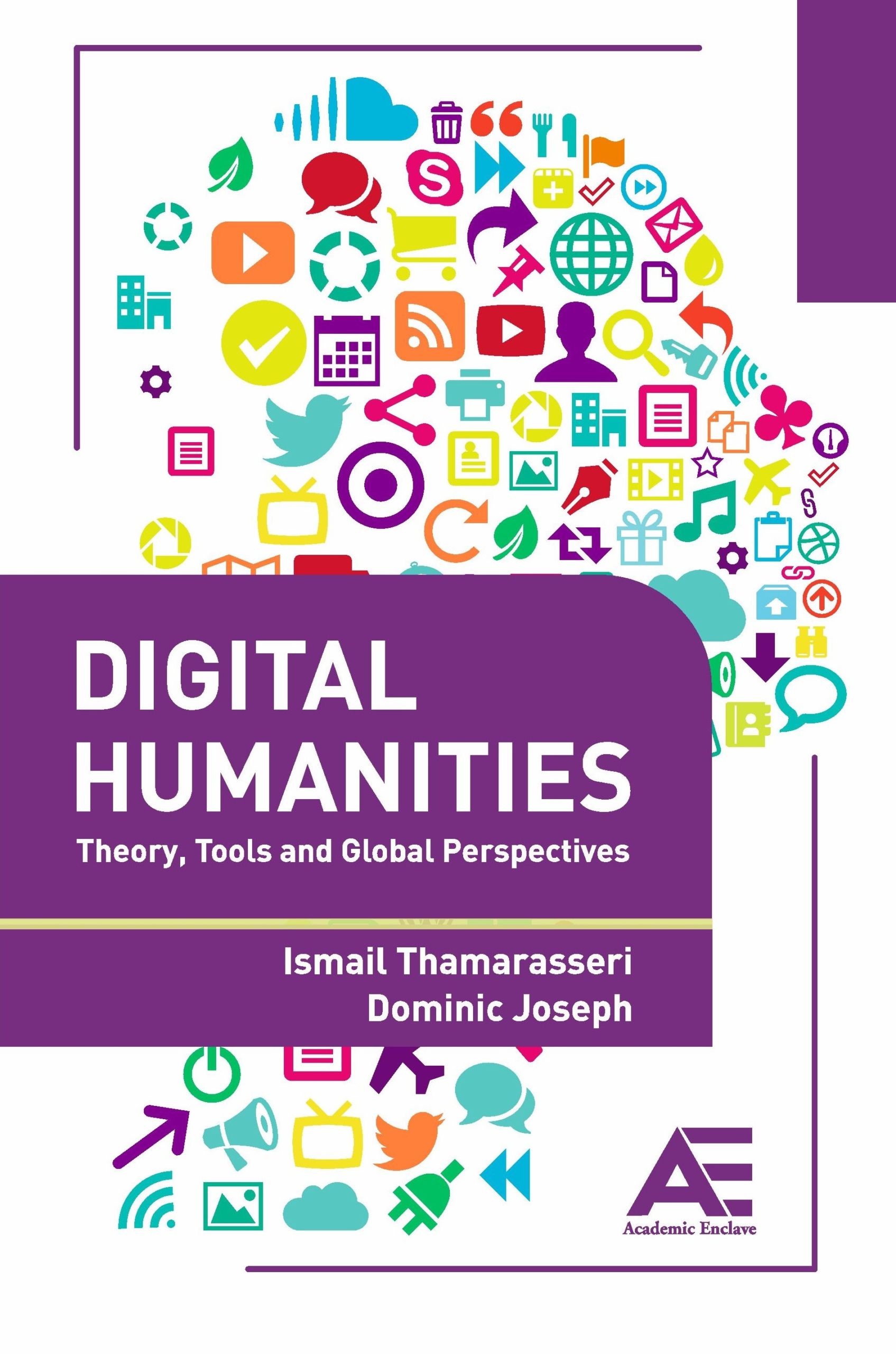
Digital Humanities: Theory, Tools, and Global Perspectives introduce the dynamic field of Digital Humanities, where traditional humanistic inquiry intersects with digital tools, computational methods, and interdisciplinary collaboration. Covering theory, methodologies, and practical applications, the book explores text analysis, GIS mapping, data visualization, AI, and more, with case studies from literature, cultural heritage, and social media. It also addresses challenges such as ethics, sustainability, and inclusivity, equipping students, researchers, and educators to engage critically and creatively with the digital future of the humanities.
About the Editors
Dr. Ismail Thamarasseri is an Associate Professor at the School of Distance & Online Education, Mahatma Gandhi University, Kerala, India. He holds a Ph.D. in Education and PG degrees in Education, Sociology, English, and History, and has qualified the UGC-NET in Education, Sociology, and Adult Education. With more than two decades of experience in teaching, research, and academic leadership, he has authored numerous books and scholarly articles, with research interests in educational technology, teacher education, and innovative pedagogical practices.
Mr. Dominic Joseph is a committed educator and researcher, currently pursuing his M.Ed degree at School of Pedagogical Sciences, Mahatma Gandhi University. He is a UGC-NET holder in Education and holds academic qualifications including M.Com and B.Ed. In addition, he has successfully qualified the SET, CTET, and KTET, reflecting his strong academic foundation and professional competence. He has served as an Assistant Professor at Carmelgiri College Adimali, and has also worked as a Guest Teacher at GVHSE Nedumkandam.
Contents
- Introduction1
- Defining Digital Humanities: Scope and Evolution1
- Historical Roots: From Humanities Computing to Digital Humanities4
- Interdisciplinary Nature of the Field7
- Key Themes and Debates in Digital Humanities10
- Future Directions and Emerging Trends in Digital Humanities13
- Conclusion16
- References17
- Introduction19
- Humanities and Technology: A Conceptual Convergence20
- Philosophical Perspectives on Digital Knowledge23
- The Role of Critical Theory in Digital Humanities25
- Digital Literacy and Humanistic Inquiry28
- Ethical and Cultural Implications in Digital Humanities30
- Conclusion33
- References34
- Introduction35
- Text Mining and Natural Language Processing (NLP)36
- Geographic Information Systems (GIS) and Spatial Humanities38
- Data Visualization and Digital Storytelling41
- Archives, Databases, and Metadata Standards44
- AI, Machine Learning, and Digital Humanities Research47
- Conclusion50
- References51
- Introduction53
- Digital Editions and Scholarly Publishing54
- Digital Pedagogy and E-Learning in the Humanities57
- Crowd Sourcing and Citizen Scholarship59
- Online Archives, Libraries, and Museums62
- Gamification and Interactive Humanities Learning65
- Conclusion68
- References 69
- Introduction71
- Digitalization of Historical Manuscripts and Texts72
- Digital Mapping of Cultural Heritage Sites74
- Computational Analysis of Literature77
- Social Media and Cultural Analytics80
- Virtual Reality (VR) and Augmented Reality (AR) in Humanities82
- Conclusion85
- References85
- Introduction87
- Issues of Access, Equity, and Inclusion88
- Data Privacy and Copyright in Digital Projects90
- Sustainability and Preservation of Digital Resources93
- The Role of Collaboration and Interdisciplinary Work96
- The Future: Towards a Global Digital Humanities99
- Conclusion102
- References104
- Introduction105
- Preservation of Tangible and Intangible Heritage105
- Digitization of Artworks, Monuments, and Manuscripts108
- Cultural Heritage Mapping and GIS Applications110
- Digital Storytelling for Community Engagement112
- Virtual Exhibitions and Interactive Museum Experiences113
- Conclusion115
- References116
- Introduction117
- Text Mining and Literary Analysis117
- Sentiment and Stylistic Analysis119
- Topic Modelling and Thematic Exploration120
- Corpus-Based Research in Literature122
- Case Studies: Classical and Contemporary Texts124
- Conclusion125
- References126
- Introduction127
- Digital Ethnography and Online Communities128
- Social Media Analytics in Humanities Research130
- Memes, Virality, and Cultural Trends132
- Sentiment Analysis of Online Discourse134
- Ethical Considerations in Social Media Research137
- Conclusion140
- References141
- Introduction143
- E-Learning Tools and Platforms144
- Gamification in Humanities Education145
- Moocs and Online Courses147
- Collaborative Learning in Digital Humanities Projects148
- Assessment and Evaluation in Digital Pedagogy150
- Conclusion151
- References152
- Introduction155
- AI Applications in Humanities Research155
- Machine Learning for Pattern Recognition and Prediction158
- Natural Language Understanding and Generation160
- Virtual Reality (VR), Augmented Reality (AR), and Mixed Reality162
- Future Prospects: Human–AI Collaboration in Digital Humanities165
- Conclusion167
- References168
- Introduction171
- Digital Humanities Across Continents171
- International Projects and Consortia173
- Open Access and Data Sharing Policies174
- Cross-Cultural and Interdisciplinary Collaboration 176
- Towards a Sustainable, Inclusive, Global Digital Humanities Community177
- Conclusion178
- References180



Reviews
There are no reviews yet.